 There are numerous programs tailored to the needs of the educational system. One of the most renowned ones, Quiet Time , is currently promoted by both the Brazilian and British government.
The Forum for Meditation and Neuroscience collaborates with the American ModernMindfulness program. This program is free of any dogma or religious inclinations and easy to implement in everyday school life.
Current studies were able to show clear results of the implementation of meditation techniques into the school schedule: students in California improved their “Graduate Record Exam” results by 16 percentage points, and in a school in Leuven symptoms of depression in students were reduced by 29 %.
For further studies, please refer to Studies.
In cooperation with the Global Shapers (an initiative of the World Economic Forum) and the Medical School Berlin, the Forum for Meditation is offering an 8-week program to introduce meditation methods to secondary school students in Berlin. Meditation has been shown to improve the focus level and to lower stress-based symptoms in children, and can be used as a drug-free alternative to address disorders, such as ADHD. ModernMindfulness, the meditation program applied in this context, furthermore aims at strengthening the students’ empathy and attention, as well as improving their level of creativity and self-discipline.
The outcomes of the program’s effects on the students are analyzed and evaluated in cooperation with the Institute of Medical Psychology at the Charité in Berlin. Currently, the meditation class is offered to schools in the Berlin area. The structure of the program can be adapted to the individual needs of the particular learning community. This program is based on the findings of the research studies mentioned above, as well as other available knowledge on the topic, and aims at providing high school students, teachers and the wider learning community the opportunity to experience the benefits of meditation.
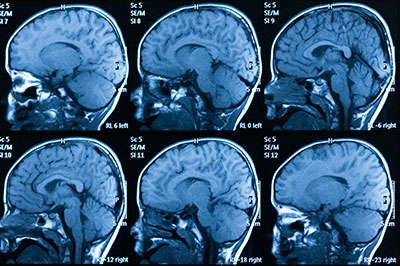 Numerous studies examine the effect of meditation on our physical and mental health.
An extensive report, commissioned by the U.S. Department of Health and Human Services in 2007, analyzed different techniques and effects of meditation. The results of this report lead to an increased implementation of meditation methods in hospitals, military organizations, schools and other public areas in the USA.
Thanks to recent scientific findings, among them German studies conducted by the Max Planck Institute for Human Cognitive and Brain Sciences, there is a growing interest in applying meditation as an alternative and/or complementary form of therapy.
For further studies, please refer to Studies.
 High performance pressure and complex fields of work can be very demanding. The result is often times a noticeable and measurable increase in stress, which also increases the importance of stress management methods. Health insurance companies, such as the Techniker Krankenkasse and AOK, offer their members information and advice on various meditation methods.
A number of successful entrepreneurs are known to have been relying on their intuition for many years; among them Paul Kothes, Götz Werner (founder DM), Udo Baader (CEO Baader Bank), or Ralph Linde (head of human resource development VW).
In Silicon Valley, particularly in the Google headquarters, meditation is an integral part of the everyday business routine, while in Germany it is increasingly gaining significance as well. Particularly individuals responsible for human resource management are convinced that an increase in focus and creativity through meditation poses a great asset for the success of the company.
